

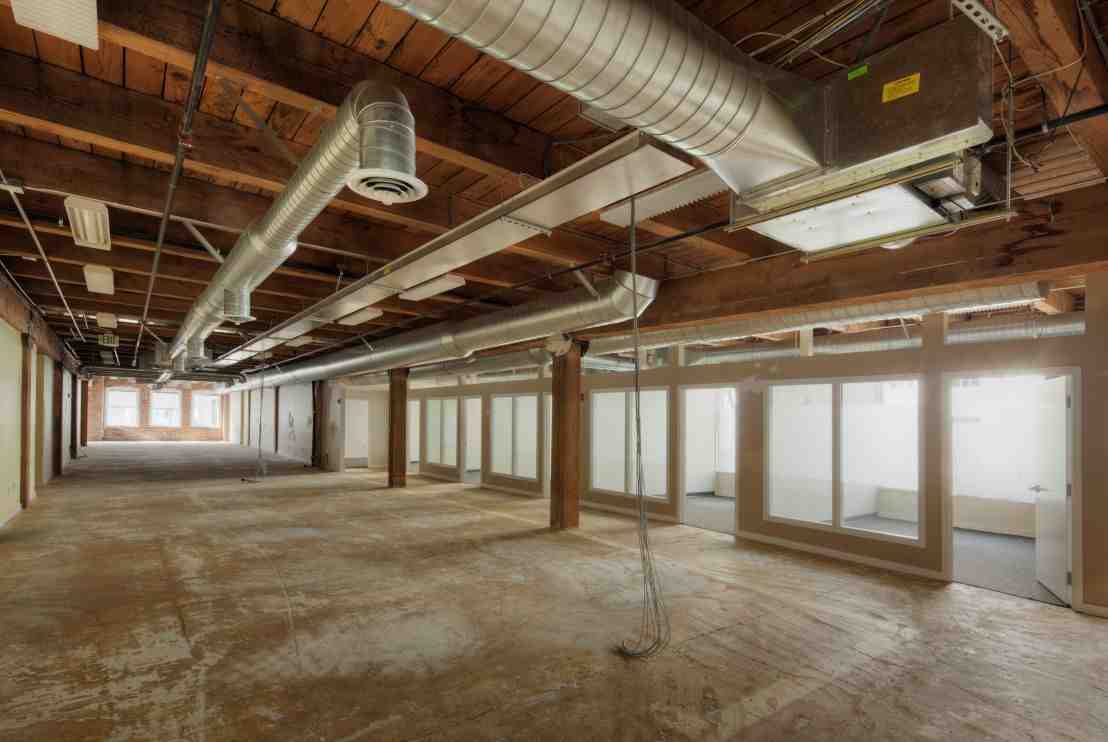
Upgrading HVAC systems in older commercial buildings is often one of the most impactful investments property owners can make. Aging systems tend to operate inefficiently, consume excessive energy, and struggle to maintain consistent indoor comfort. As utility costs continue to rise and building performance standards become more stringent, outdated HVAC equipment can significantly limit a property’s profitability and tenant satisfaction. Modernizing these systems not only improves energy efficiency and reliability, but also enhances indoor air quality and overall building value.
Older commercial properties present unique challenges, from outdated ductwork and limited mechanical space to evolving code requirements and changing occupancy needs. However, with strategic planning and the right technical expertise, HVAC upgrades can be seamlessly integrated into renovation or repositioning projects. By evaluating system performance, load demands, and long-term operational goals, building owners can transform inefficient infrastructure into a high-performing asset that supports sustainability, cost control, and tenant retention for years to come.
Quick Overview: What You Need to Know
Older buildings across California—from historic offices in San Francisco to aging warehouses in Los Angeles—face unique challenges. Outdated HVAC equipment not only wastes energy but often fails to meet current building codes and environmental regulations. The good news? You don't always need a complete system replacement to see dramatic improvements.
Retrofitting means upgrading specific components of your existing HVAC system—like installing variable frequency drives (VFDs), smart thermostats, or energy recovery ventilators—without tearing out the entire infrastructure. This approach is often more cost-effective than full replacement, especially when your system's core structure remains sound.
For facilities managers balancing tight budgets with sustainability goals, strategic HVAC upgrades offer a clear path to lower operating costs, improved tenant satisfaction, and compliance with California's strict energy standards like Title 24.
When we talk about Upgrading HVAC Systems in Older Commercial Buildings, we generally distinguish between two paths: a retrofit and a full system replacement. An HVAC retrofit involves adding new technology or energy-efficient components to an existing system. Think of it like giving your old reliable car a brand-new fuel-injection system and a GPS—it still has the same frame, but it runs much better.
In contrast, a full replacement involves removing the entire unit and installing a brand-new one from the ground up. While most commercial HVAC systems are designed to last between 15 and 30 years, their efficiency usually begins to plummet well before they actually "die." By following an Existing HVAC System Upgrade or Expansion strategy, we can often extend the life of your equipment while capturing the benefits of modern technology.
Knowing when to prioritize upgrading HVAC systems in older commercial buildings requires a careful evaluation of performance, operating costs, and risk exposure. One of the clearest indicators is escalating energy consumption without a corresponding increase in occupancy or operational demand. As systems age, components such as compressors, motors, and heat exchangers lose efficiency, forcing equipment to run longer cycles to maintain set temperatures. If utility expenses continue to rise despite routine maintenance, it may signal that the system is no longer operating at an optimal efficiency level and that replacement could deliver stronger long-term savings.
Frequent repairs are another critical warning sign. While occasional service calls are expected, repeated breakdowns, refrigerant leaks, or failing major components often indicate that the system is approaching the end of its useful life. Repair costs can accumulate quickly, and downtime may disrupt tenants, employees, or customers. In multi-tenant or revenue-sensitive properties, inconsistent climate control can negatively affect tenant satisfaction and retention. When repair frequency and costs begin to rival the investment in new equipment, prioritizing an upgrade becomes a strategic financial decision rather than a reactive expense.
Regulatory changes and code compliance requirements also influence upgrade timing. Older HVAC systems may not meet current energy efficiency standards, ventilation codes, or refrigerant regulations. In states with strict energy mandates, noncompliant systems can limit renovation approvals or reduce eligibility for incentives and rebates. Additionally, properties undergoing repositioning, adaptive reuse, or major interior renovations often require HVAC systems capable of supporting updated layouts and occupancy loads. Coordinating upgrades with broader capital improvement projects can reduce installation disruptions and maximize return on investment.
Finally, shifts in tenant expectations and indoor air quality standards should not be overlooked. Modern commercial occupants increasingly prioritize comfort, air filtration, humidity control, and smart building integration. If an older system struggles to maintain consistent temperatures or cannot accommodate advanced controls and monitoring technologies, it may hinder a building’s competitiveness in the market. Proactively upgrading before performance declines severely allows property owners to maintain asset value, enhance operational reliability, and position the building for long-term growth.
Determining whether a commercial HVAC system requires a full replacement rather than continued repairs involves evaluating performance trends, lifecycle stage, and long-term cost implications. Most commercial systems have an expected lifespan of approximately 15 to 25 years, depending on usage, maintenance history, and environmental conditions. As equipment approaches or exceeds this range, efficiency declines and the risk of major component failure increases. Even if the system is still operational, aging infrastructure often struggles to meet current energy standards and occupant comfort expectations.
Another critical consideration is financial predictability. Older systems frequently require reactive repairs that disrupt operations and create budgeting uncertainty. While individual repairs may seem manageable, cumulative service costs, lost productivity, and tenant dissatisfaction can exceed the investment required for a modern, high-efficiency replacement. Evaluating total cost of ownership, rather than short-term repair expenses alone, provides a clearer picture of when full replacement becomes the more strategic option.
In addition to these broader performance and financial indicators, specific warning signs often signal that replacement should be prioritized:
When multiple indicators appear simultaneously, delaying replacement can increase operational risk and long-term costs. Proactively investing in a modern HVAC system enhances energy performance, improves occupant comfort, reduces emergency repairs, and positions the property to remain competitive in an evolving commercial market.
The primary driver for Upgrading HVAC Systems in Older Commercial Buildings is almost always the bottom line. Modern HVAC technology is lightyears ahead of what was available in the 1990s. By upgrading, you can reduce heating and cooling costs by 15-40%.
But the benefits aren't just about the monthly bill. Retrofitting buildings is a vital step in reducing Greenhouse Gas (GHG) emissions. Moderate improvements can reduce GHG emissions in commercial buildings with central chillers by as much as 25%, while deep decarbonization measures can hit a 50% reduction when combined with renewable energy sources.
Return on Investment (ROI) is the language of commercial real estate. One of the most surprising stats in our industry is that many retrofit customers report payback periods of just one or two years. This is achieved through a combination of reduced energy consumption and significantly lower maintenance costs.
Furthermore, California property owners can leverage utility rebates and tax incentives to offset the initial costs. Beyond the immediate cash flow, these upgrades help meet Environmental, Social, and Governance (ESG) goals, which increases the marketability and value of the property. We’ve seen how How Integrating Energy Efficient Systems Can Lower Long-Term Operating Costs transforms a building from a liability into a high-performing asset.
We spend about 90% of our time indoors, and in an older building, that air might not be as fresh as you think. Older HVAC systems often struggle with humidity control and poor filtration, leading to "sick building syndrome."
Modern retrofits allow for the installation of high-efficiency filters (like MERV 13 or higher) and advanced air purification systems. These upgrades stabilize temperatures and manage CO2 levels, which has a direct impact on productivity. According to the Energy Savings Plus Health: Indoor Air Quality Guidelines for School Building Upgrades, managing air quality during energy upgrades is essential for occupant health. When people feel comfortable, they are more productive and more likely to stay in the building.
The "secret sauce" of a successful upgrade lies in the technology we use. Gone are the days of simple "on/off" switches. Today’s systems are intelligent, responsive, and incredibly precise.
| Retrofit Level | Typical Measures | Potential Energy Savings | Best For |
|---|---|---|---|
| Minor | Sealing, insulation, smart thermostats, LED lighting | 5-15% | Buildings with tight budgets or newer equipment |
| Major | VFDs, high-efficiency motors, economizers, sub-metering | 15-35% | Mid-life systems with sound ductwork |
| Deep | Heat pumps, VRF systems, BAS integration, shell upgrades | 40-60% | Aging structures requiring a total performance reset |
You don't always need a million-dollar budget to make a difference. Minor retrofits target the "low-hanging fruit." This includes:
These steps are part of Incorporating Sustainable Practices in Your Commercial Renovation, providing a high return for a relatively small investment.
For buildings that need a more serious intervention, we look toward major and deep retrofits.
Deep retrofits often involve switching to Variable Refrigerant Flow (VRF) or Heat Pumps, which are significantly more efficient than traditional boilers and chillers, especially in California's temperate climate.
Retrofitting in California isn't without its problems. Older buildings in cities like Los Angeles or San Diego often have structural limitations—think narrow utility shafts or roofs that can't support the weight of newer, heavier equipment.
There's also the "surprise" factor. When you open up walls in a building from the 1960s, you might encounter asbestos or lead paint, which requires specialized remediation. Furthermore, all upgrades must comply with California’s Title 24, Part 6, which sets rigorous standards for energy efficiency in non-residential buildings.
The biggest technical challenge is often compatibility. Will a new smart controller "talk" to a 20-year-old chiller? Sometimes the answer is yes, with the right gateways, but other times it requires replacing the actuators and sensors throughout the system.
To steer this, we recommend a comprehensive expert audit. This isn't just a walkthrough; it’s a deep dive into the system’s performance, identifying "energy hogs" and ensuring that any new components will integrate seamlessly with the old ones. In San Diego and Los Angeles, local building codes may also have specific requirements for seismic bracing of HVAC equipment, which must be factored into the project plan.
The good news is that California is one of the best places in the country for retrofit financing. Between state-level grants and utility programs from providers like Southern California Edison or PG&E, there are numerous ways to lower the upfront cost.
A deep retrofit is a holistic approach that can save up to 60% in energy costs. By combining HVAC upgrades with improvements to the building envelope (like better insulation and windows) and lighting, you can fundamentally change the building's energy profile.
While it depends on the complexity, many targeted upgrades like VFDs or smart control installations have a payback period of just 1 to 2 years. Even more extensive renovations often see a return on investment within 5 years due to the dramatic reduction in utility and maintenance expenses.
Retrofitting allows for the integration of modern filtration (MERV 13+), better humidity control, and increased fresh air intake through Energy Recovery Ventilators (ERVs). This reduces the concentration of pollutants, allergens, and CO2, creating a healthier environment for tenants.
Upgrading HVAC Systems in Older Commercial Buildings is no longer just a "nice-to-have" improvement—it is a strategic necessity for any property owner looking to stay competitive in the California market. Whether you are aiming for a minor efficiency boost or a deep decarbonization project, the benefits of lower costs, better air quality, and regulatory compliance are undeniable.
At RSVC, we pride ourselves on being a leader in facilities management and commercial construction. Our approach combines digital innovation with a customer-centric focus to deliver solutions that actually work for your specific building. From the initial audit to the final commissioning, we leverage technology and top-tier talent to ensure your HVAC system is an asset, not a drain.
Ready to transform your building's performance? Contact RSVC for your next commercial construction project and let us help you steer the path to a more efficient, comfortable, and sustainable future.


