Before the First Pour: What Owners Overlook When Starting a Ground-Up Project
December 3, 2025


December 3, 2025
When you’re building from the ground up, every detail matters—especially the ones that are easy to overlook. Small oversights in planning, site prep, or early structural decisions can quietly grow into expensive, time-consuming problems down the road. The irony is that the most serious issues often start long before a wall goes up or a roof goes on. They begin in the groundwork: soil conditions, drainage planning, load-bearing considerations, and clear project coordination.
Your Foundation for Success: Avoiding Ground-Up Project Oversights is about recognizing these high-impact moments before they turn into setbacks. By understanding where construction projects commonly slip—misaligned timelines, poor communication between teams, overlooked environmental factors—you put yourself in control of both the build and the budget. When you anticipate challenges early, you strengthen every phase that follows.
A strong foundation isn’t just a physical element of the structure; it’s the mindset you bring to the entire project. With the right planning, foresight, and execution, you can eliminate avoidable risks and create a smooth pathway from first blueprint to final walkthrough.
Here are the most common oversights owners make when starting a ground-up project:
By understanding these potential pitfalls, you can set your project up for success from day one.
A ground-up construction project begins with evaluating the land itself. Underestimating the complexity of lot selection and site preparation is a common pitfall that leads to hidden costs and foundational issues. Many owners fall for a property's views or location, overlooking critical details essential for a successful Ground-Up Construction.

Lot selection is the most influential factor in a project's success, going beyond aesthetics to what lies beneath the surface and the regulations that govern it. A "dream lot" can become a financial nightmare if not properly vetted. A lot selection consultation with a contractor can help assess these factors, along with utility installation and other hidden costs.
Practical site access and thoughtful home orientation are often overlooked but can have major impacts on a ground-up project, including the logistics of getting materials to the site.
Lot access is critical. Narrow roads, sharp turns, or restricted entry points can make it difficult—or even impossible—for large construction vehicles to deliver materials safely. This can lead to unexpected delays, higher costs, and even the need for temporary modifications to the site. Planning ahead ensures trucks, cranes, and other equipment can navigate the property efficiently.
Home orientation is equally important. Where the house sits on the lot influences natural light, energy efficiency, and long-term comfort. Proper placement can maximize sunlight in living spaces, reduce heating and cooling costs, and take advantage of prevailing winds for natural ventilation—a key consideration in California’s climate. Considering these factors early in the design process sets the stage for a smoother build and a more livable, sustainable home.
The consequences of poor ground stability are severe. A stable foundation is a non-negotiable requirement for a sound structure.
Soil testing and core samples are critical for understanding the soil's load-bearing capacity and determining the right foundation design. A comprehensive land study helps determine the optimal foundation depth and approach.
The consequences of poor ground stability include uneven floors, wall cracks, and sticking doors—all signs of foundation trouble. Flooring laid on an uneven subfloor will wear out quickly and create hazards. As experts like Mike Holmes often say, the finish is only as good as what's underneath it.
The long-term impact of ignoring these issues is devastating, leading to continuous maintenance, structural instability, and decreased property value. Cosmetic fixes are just band-aids for deeper problems. Ensuring the ground is stable from day one is the most effective way to protect your investment and the structural integrity of your home. For robust solutions, Concrete Construction plays a vital role in establishing that critical foundation.
Starting a ground-up construction project involves more than just pouring concrete and framing walls—it requires navigating a complex web of legal and utility requirements that, if overlooked, can bring progress to a standstill. From permits and zoning restrictions to utility hookups and easements, seemingly small oversights in the early stages can turn into costly delays or unexpected fines. Many owners focus on the physical build but underestimate the administrative and regulatory groundwork necessary to keep a project on track.
Understanding local building codes, securing proper permits, and coordinating with utility providers early can prevent interruptions that ripple across the entire construction timeline. Issues like disputed easements, unclear utility lines, or missed inspections don’t just slow progress—they can force design changes or add significant costs if discovered too late.
Proactive planning isn’t just about compliance; it’s about protecting your investment and ensuring a smoother, more predictable project. By addressing legal and utility concerns from day one, owners set themselves—and their builders—up for success, avoiding surprises that could derail even the most meticulously planned ground-up construction.
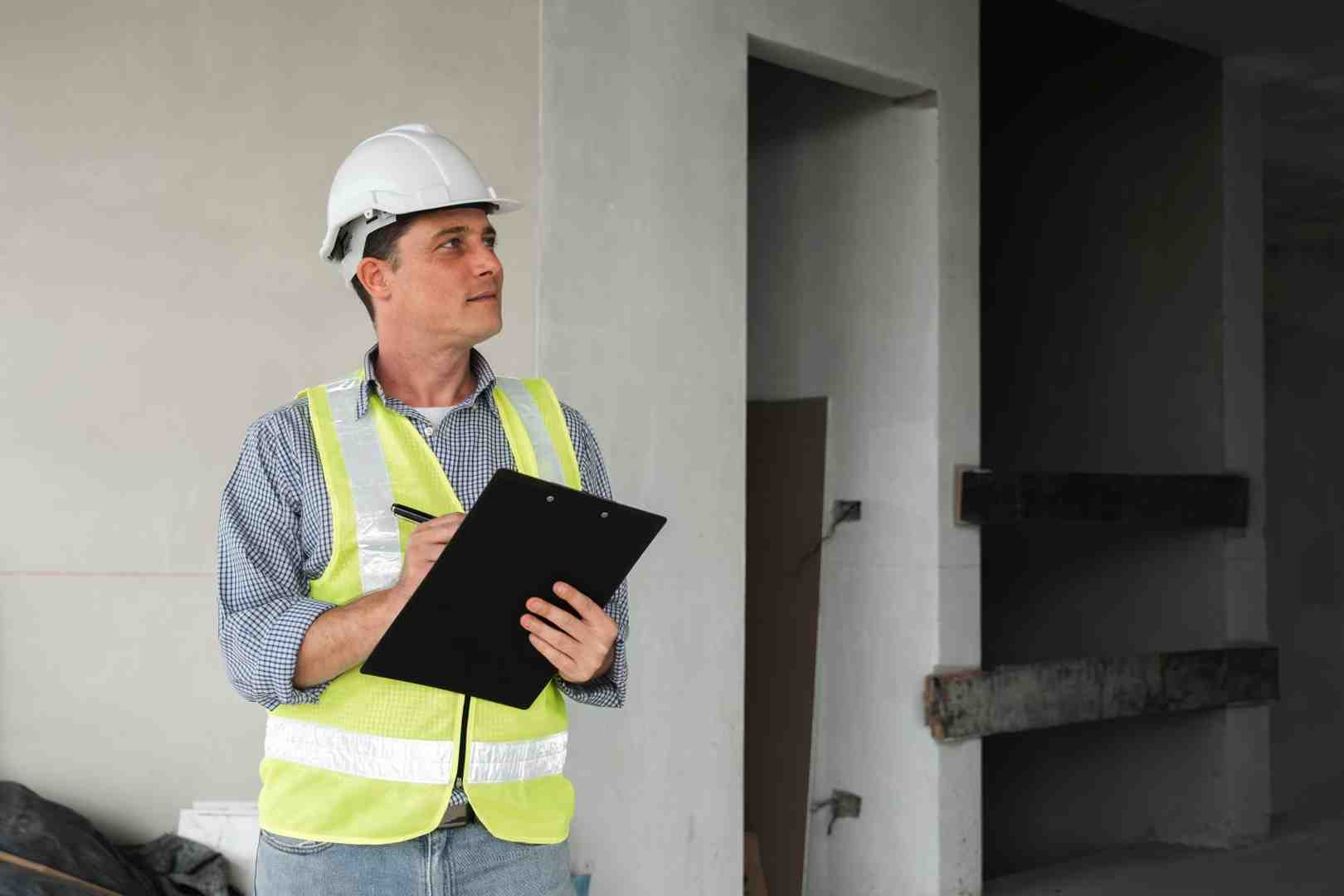
Building in California requires navigating a complex world of permits, codes, and local rules. Understanding these steps is essential to avoid fines, stop-work orders, and legal trouble.
A precise land survey is essential to define property lines and identify any encroachments from neighbors. It's best to get this done before purchasing the lot. Next, understand zoning laws and local build requirements, which vary between California cities and dictate what you can build. California also has some of the strictest building codes in the country, particularly for earthquake safety and energy efficiency. Your project must comply with all current regulations. You can learn more about California Building Codes to Consider in Commercial Construction.
Your contractor will handle getting permits, but the process varies by city, like the unique steps for Riverside Building Permits. Building without the right permits leads to fines, delays, and stop-work orders. It’s always best to work with local experts who know the legal and building requirements for your specific area.
Access to essential utilities is fundamental, yet the availability and timing of hook-ups are often overlooked, causing major delays and budget headaches. You'll need to plan for access to water, sanitary sewer (or a septic system), electrical distribution, and possibly natural gas. If a septic system is needed, percolation tests are crucial. For city connections, a sewer scope is a small investment that can prevent expensive repairs. You can also learn more about Running Natural Gas Lines Underground for Your New Building.
The timing of your scheduled utility hook-ups is paramount, as many construction tasks depend on them. Forgetting to coordinate this far enough in advance can cause significant delays.
Contact your local utility companies well ahead of time for water, sewer, and electrical connections. Then, work closely with your contractors to integrate these schedules into the overall project plan. This careful coordination protects your timeline and budget. For more details, see our insights on Electrical and Plumbing services.
When embarking on a ground-up construction project, the choices you make early on can have ripple effects throughout the build—and some of the most critical decisions are often overlooked. From selecting construction methods to defining key design elements, these early-stage decisions influence cost, timeline, durability, and even long-term livability. Many owners focus on aesthetics or budget without fully understanding how construction techniques and design choices interact, which can lead to unexpected challenges down the road.
Decisions about framing, foundation type, materials, and structural systems affect not only the build process but also energy efficiency, maintenance, and the home’s ability to adapt to future needs. Similarly, design elements—such as ceiling heights, window placement, and room layout—play a role in comfort, natural light, and functionality that last for decades.
Being proactive about these decisions is key to a smoother, more successful construction experience. By understanding the implications of each method and design choice before breaking ground, owners can prevent costly changes, streamline construction, and create a home that is both beautiful and built to last.
| Building Method | Cost | Timeline | Customization |
|---|---|---|---|
| Stick Building | Higher | Longer | Maximum flexibility |
| Modular Construction | Lower | Faster | Limited by module sizes |
| Panelized Construction | Moderate | Moderate | Good flexibility |
Beyond the building method, design flexibility and aesthetic choices are common oversights. Changing your mind after construction begins is costly; finalize all features and aesthetics during the design phase. Finalize all aesthetic choices early, from trim color to internal walls. Sourcing finishes and fixtures takes time, so plan accordingly. Making decisions before construction starts keeps you on budget and schedule.
Unfinalized choices lead to change orders and budget overruns. A change order costs more than just materials; it causes delays and coordination issues, turning a small planning decision into a large construction headache.
Our most impactful recommendation is to engage a trusted building partner as early as possible—even when you're just browsing lots. Success is front-loaded. The best results come from a collaborative team that includes your architect and general contractor from the start. Their early input on constructability, budgeting, and scheduling prevents costly redesigns.
Hiring contractors early provides access to their practical knowledge of material lead times, labor availability, and local subcontractors in California. Hire an architect to design blueprints that are innovative and compliant. A surveyor is vital not just for property lines, but also for identifying grade and drainage issues to determine optimal building placement.
A general contractor's input on value engineering is transformative. It's about smart optimization, like finding alternative materials or construction sequences to save time and money without sacrificing quality. Early planning makes this easier to implement.
They can identify materials with long lead times, which is invaluable in California's dynamic market. For guidance, review our Questions to Ask a Commercial Construction Company and Read this extensive pre-construction checklist with your team.
A ground-up build requires the owner to be an active participant—communicating clearly, making informed decisions, and assembling a trusted team of professionals. This collaborative involvement is often overlooked, yet it can make or break the entire project. By staying engaged from day one, owners can help ensure that timelines are met, expectations are aligned, and potential issues are addressed before they escalate.
Being proactive means asking questions, reviewing plans in detail, and understanding the implications of every major decision, from materials and construction methods to design choices and site logistics. It also means fostering strong relationships with contractors, architects, engineers, and subcontractors. When the team works as a cohesive unit and the owner maintains open lines of communication, problems are caught early, solutions are implemented faster, and the overall project runs more smoothly.
Ultimately, a successful ground-up build is as much about collaboration and oversight as it is about the physical construction. Owners who take the time to engage thoughtfully and stay involved throughout the process protect their investment, reduce stress, and create a home that meets both their practical needs and long-term vision.
Every owner's journey is unique. Whether you're hands-on or prefer to delegate, it's crucial to define your role from day one. Your level of involvement determines your time commitment. A hands-off approach requires trusting your team and establishing clear decision-making authority so they can proceed efficiently.
Communication protocols are the project's backbone. Establish a regular meeting schedule, a process for urgent questions, and a main point of contact. While tempting, acting as your own general contractor to save money is risky without extensive knowledge of construction and California's regulations. Mistakes can quickly eliminate any potential savings.
Key owner responsibilities include:
Your project’s success starts with choosing the right building partner — one whose skill, experience, and integrity you can trust. Vetting contractors thoroughly before signing an agreement isn’t just a formality; it’s one of the most important steps you can take to protect your investment and ensure a smooth build.
Taking the time to vet contractors pays off. Check references, read online reviews, and verify information with the California Contractors State License Board. Review portfolios to see if they have experience with projects similar to yours, and confirm that their license and insurance are current. Ask detailed questions about their capabilities, approach to problem-solving, and ability to manage timelines and budgets. RSVC Construction provides resources like Questions to Ask a Commercial Construction Company to help guide owners through this process.
Equally important is understanding the general contractor’s relationship with subcontractors. A project is only as strong as the team behind it. RSVC Construction prides itself on a cohesive network of trusted tradespeople who have collaborated on projects for years, ensuring consistent quality, clear communication, and fewer surprises on site.
The right partnership has a direct impact on every phase of construction. Clear communication, transparency, and a shared commitment to quality make the difference between a stressful build and a smooth, successful experience. RSVC understands that your project is more than just concrete and steel — it’s your vision, and treating it with care is non-negotiable.
At RSVC Construction, we don’t just build structures; we build trust. With decades of commercial construction expertise across the Inland Empire and beyond, we focus on helping owners avoid common pitfalls before the first pour. From careful planning to execution, we are committed to being the partner you can rely on every step of the way.
Planning a ground-up construction project can feel like navigating a maze, even for seasoned owners. It’s natural to have questions, and getting clear answers early on can save you a lot of time, money, and headaches down the road. Let's tackle some of the most common inquiries we hear, focusing on what's often overlooked on ground up construction projects.
Hands down, the biggest misstep we see owners make is purchasing a lot without doing their homework first. It’s exciting to find what looks like the perfect spot, but failing to conduct thorough professional due diligence on the land can turn that dream property into a real nightmare. Imagine buying a beautiful parcel in, say, San Diego, only to find later that the soil is unstable, local zoning laws won't allow your vision, or connecting to basic utilities will cost a fortune. These hidden issues can completely derail your project before it even begins, leading to a financial headache you definitely didn't sign up for. A little investigative work upfront, ideally with professional help, goes a very long way!
Ah, the contingency fund – your project's safety net! While a 10-15% buffer used to be the go-to advice, we now strongly recommend setting aside a more robust 20-25% of your total project cost. Think of it as your "just in case" fund. This larger amount gives you breathing room for all those unexpected curveballs that pop up in construction. We're talking about things like sudden bad weather that delays work, unexpected supply chain issues (remember those?), or even finding an ancient underground stream during excavation that changes your site plan. We’ve seen owners in California quickly go through a standard contingency fund on unforeseen cost increases, like a sudden jump in material prices. Having that extra cushion means you're prepared for the unpredictable and can keep your project moving forward without major stress.
This is a fantastic question, and our answer is: as early as possible! You really want to bring your general contractor into the fold during the initial lot selection and design phase, long before any dirt is even turned. Think of them as your project's wise guide. Their early input is incredibly valuable for several reasons. They can offer practical insights into constructability (what's actually feasible to build), help fine-tune your budget, and create a realistic schedule. This early collaboration can prevent costly redesigns later on and set a solid, realistic framework for your entire project. The best outcomes typically come from a collaborative team that includes your architect, your general contractor, and even an owner's representative, all working together from the very start. It’s like getting everyone on the same page for the grand adventure ahead!
We've seen too many California business owners start their ground-up projects with enthusiasm and a vision, only to hit preventable roadblocks because they didn't know what questions to ask or which details mattered most. The good news? You now know exactly what to watch for and how to protect your investment.
For business owners in California planning a new build, partnering with an experienced firm like RSVC ensures every detail is managed from the start. We've guided countless projects through these exact challenges, preventing costly oversights and delivering successful outcomes. We leverage technology to streamline operations and stay committed to sustainable practices, with a strong emphasis on eco-friendly construction and maintenance processes. Our customer-centric approach means we're with you through every decision, every permit, and every pour.
Ready to turn your vision into reality without the common pitfalls? Contact us to learn more about our commercial construction services and find how we can help make your ground-up project a resounding success. Let's build something great together.


